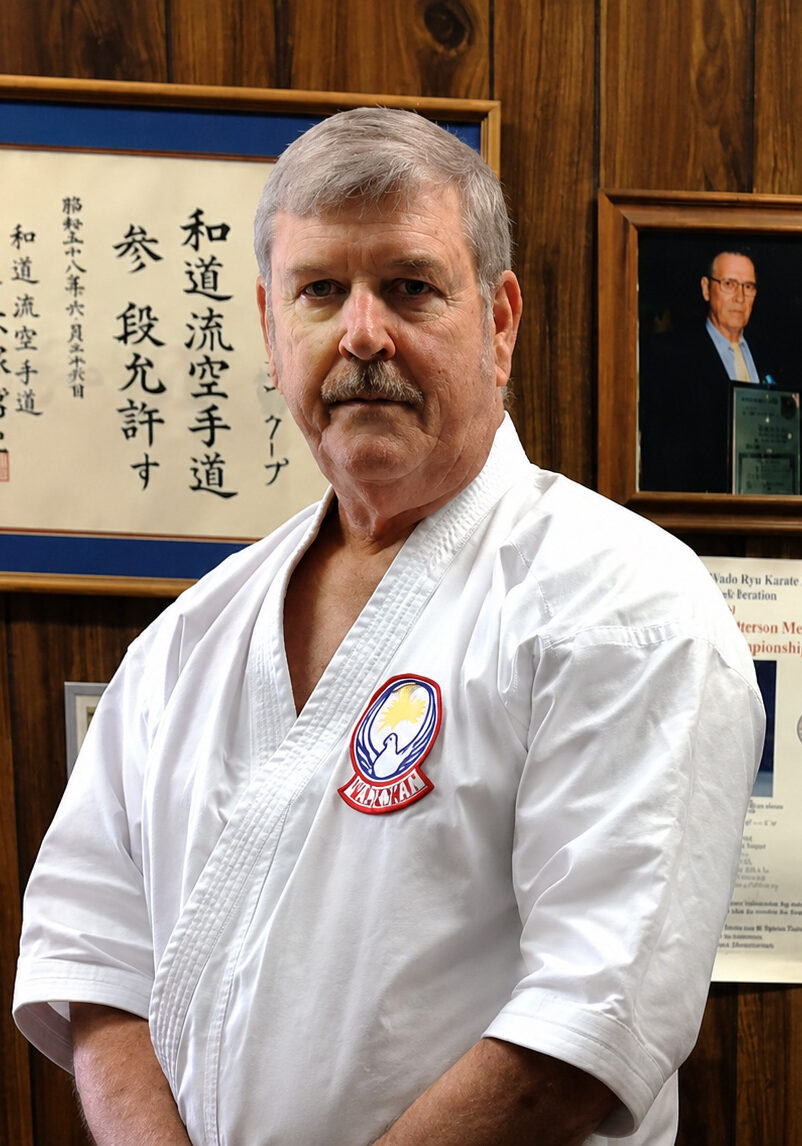
A Legacy That Endures
United States Eastern Wado Ryu Federation
Founded through the vision and leadership of Sensei Cecil T. Patterson, the USEWF has grown from a small, dedicated group of practitioners into a respected organization spanning multiple states.
Through decades of instruction, training, and mentorship, the Federation has remained committed to the authentic transmission of Wado Ryu Karate—ensuring that its techniques, philosophy, and spirit are passed on with integrity.
Today, that legacy continues through the instructors, dojos, and students who carry these teachings forward.
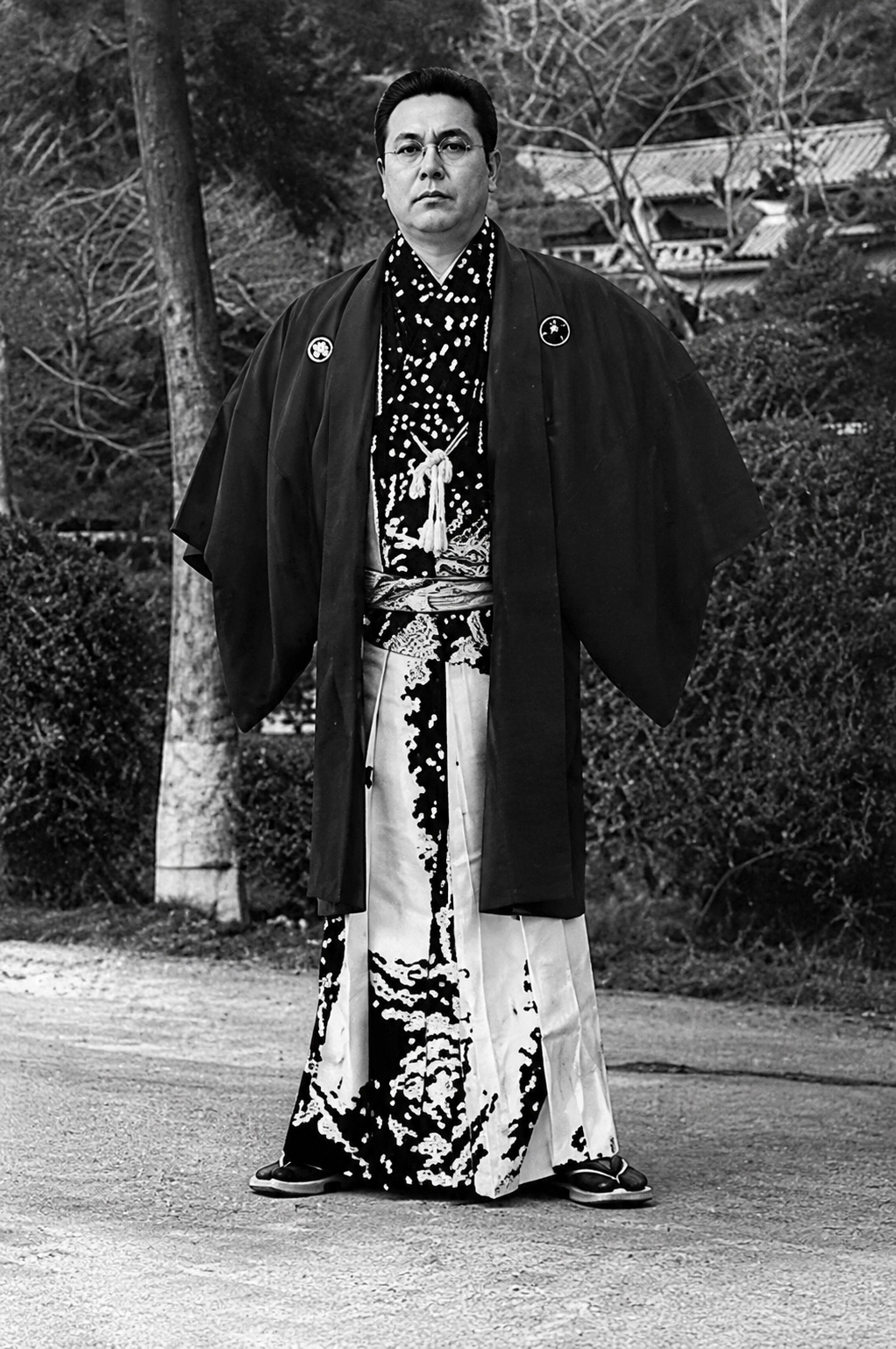
The History of the United States Eastern Wado-Ryu Karate Federation
The origins of the United States Eastern Wado-Ryu Karate Federation are inseparable from the life and legacy of Sensei Cecil T. Patterson.
Prior to his discharge from the United States Navy in June of 1957, and his return home to Tennessee that same year, Patterson Sensei had already undergone a transformation that would shape the future of Wado-Ryu Karate in America. While stationed in Japan, he trained extensively in Wado-Ryu under Sensei Kazuo Sakura, absorbing not only the physical techniques of the art, but also its deeper philosophical foundations.
Upon returning to the United States, Patterson Sensei began a career in law enforcement, quickly rising through the ranks of multiple local and state agencies. Throughout his service, he often credited his training in Wado-Ryu with not only helping him survive dangerous encounters, but also shaping his judgment, discipline, and character.
Even while working full-time in law enforcement, he trained daily—maintaining correspondence with his teacher in Japan and continuing to refine his understanding of Wado-Ryu. His skill, dedication, and presence earned him a growing reputation among his peers.
The First Wado-Ryu Instructor in America
In 1958, Patterson Sensei was promoted to Sho-Dan (1st Degree Black Belt) and granted permission to teach Wado-Ryu Karate—an extraordinary honor at the time, particularly for a practitioner outside of Japan.
Later that same year, in a converted YMCA in East Tennessee, with only two carefully selected students, he began teaching what would become the foundation of Wado-Ryu Karate in the United States.
This marked a historic moment:
Cecil Patterson became the first officially recognized Wado-Ryu instructor in Tennessee—and among the very first in the United States.
In 1959, after relocating to the Nashville area, he continued teaching a small but dedicated group of students while balancing his professional career.
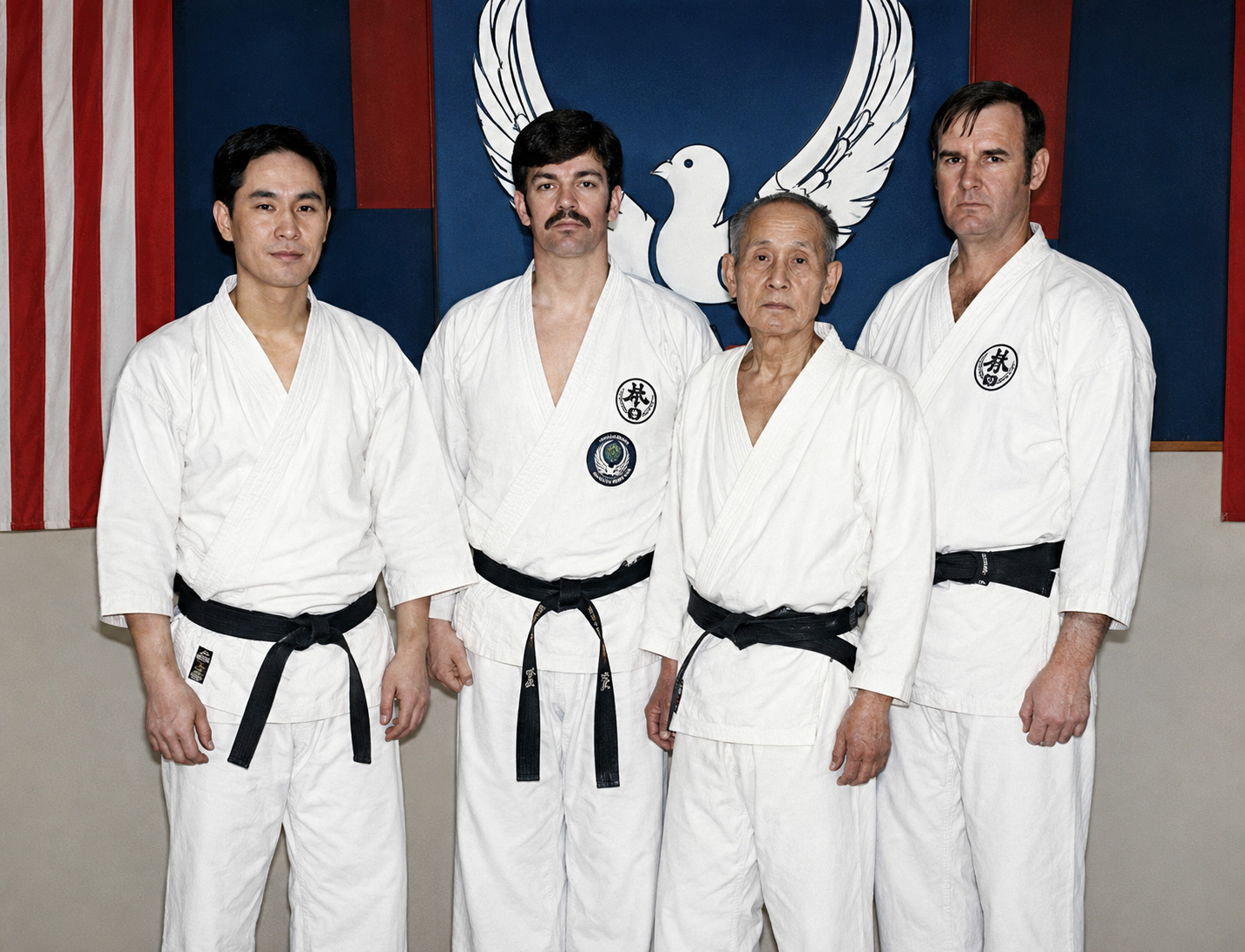
Training with the Founder
In 1966, Patterson Sensei received a life-changing call from his teacher’s lineage in Japan.
Grand Master Hironori Otsuka, founder of Wado-Ryu Karate, was embarking on an international tour and would be visiting Tennessee.
During that visit, Patterson Sensei underwent one of the most intense training periods of his life—spending eight consecutive days training one-on-one with Otsuka Sensei from early morning until late evening.
“I still remember those eight days seeming to stretch into eight years. It was one of the most intense experiences of my life.”
- Sensei Cecil Patterson
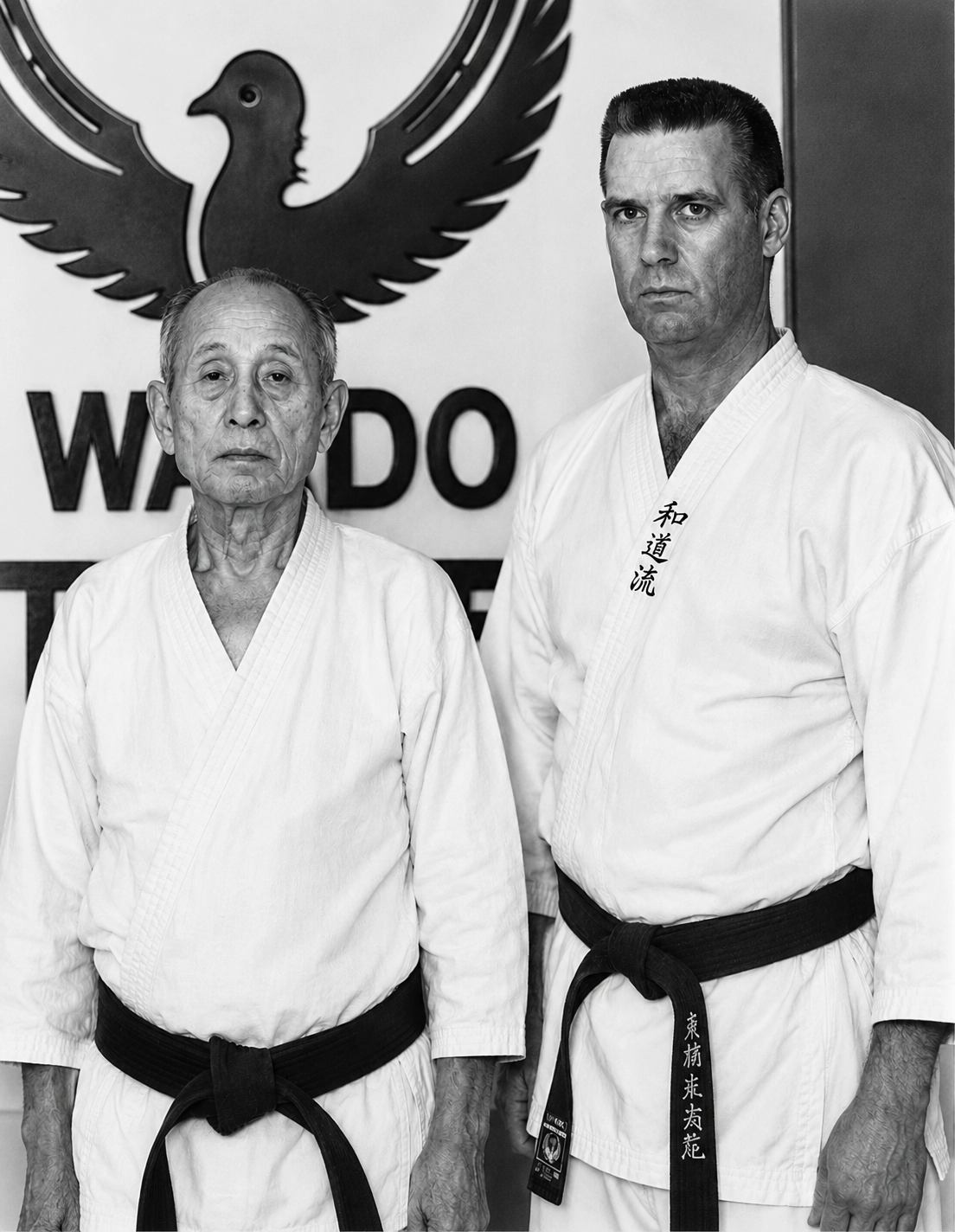
1968: Recognition and Responsibility
In 1968, Otsuka Sensei returned to Tennessee, this time accompanied by his son, Jiro Otsuka (who would later become the second Grand Master of Wado-Ryu).
Once again, Patterson Sensei trained extensively with the Master. This time, however, the training carried a different tone—more rigorous, more deliberate. It became clear that he was being evaluated.
At the conclusion of this visit, Patterson Sensei was awarded the rank of Go-Dan (5th Degree Black Belt), recognizing him as one of the highest-ranking Wado-Ryu practitioners in the Western world.
But the greater responsibility came the following day.
The Formation of the Federation
On January 16, 1968, at Nashville International Airport, a pivotal conversation took place.
Patterson Sensei expressed concern about the certification of kyu ranks (students below black belt) in the United States. With the rapid growth of Wado-Ryu internationally, it had become impractical for Japan to oversee every student.
Otsuka Sensei’s response would define the future:
“I want you to change that.”
He then instructed Patterson Sensei to establish a formal organization—granting him authority as the Senior Instructor of Wado-Ryu Karate for the Eastern United States.
With that directive came clear expectations:
- To uphold the standards of the Honbu Dojo in Japan
- To maintain technical and philosophical integrity
- To oversee the development and certification of students
- To remain directly accountable to the lineage of Wado-Ryu

Rooted in Wado Ryu
A Legacy That Continues
Wado Ryu Karate is more than a system of self-defense—it is a disciplined approach to movement, balance, and personal development.
Originating in Japan under the guidance of Grandmaster Hironori Otsuka, Wado Ryu blends traditional karate with principles of harmony, efficiency, and adaptability. These principles remain at the heart of the Federation’s instruction and philosophy.
Through structured training and consistent practice, students develop not only physical skill, but also focus, respect, and resilience.
Leadership & Structure
USEWF Instructors & Biographies
The strength of the USEWF lies in its leadership.
Guided by experienced instructors and a dedicated Board of Directors, the Federation maintains high standards of instruction, rank, and conduct. This structure ensures continuity, accountability, and the preservation of Wado Ryu as it was intended to be taught.
Each instructor and affiliated dojo plays a vital role in maintaining the quality and consistency of training across the Federation.